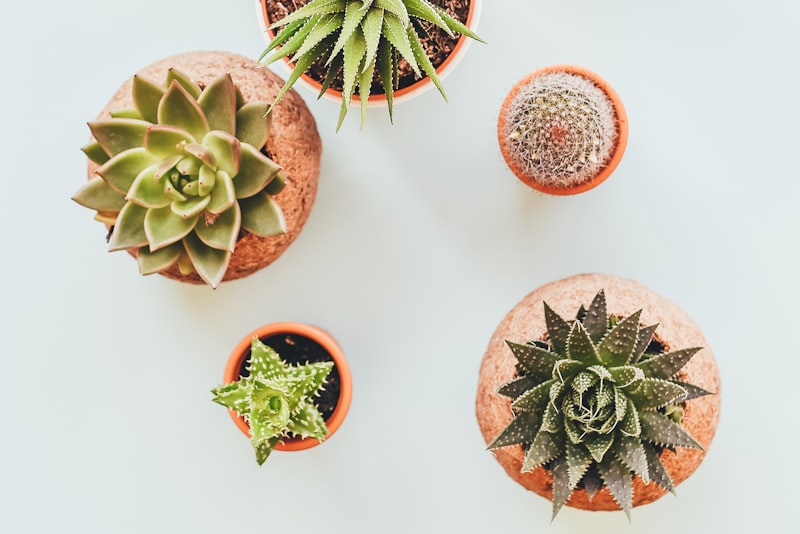
If you've ever stood over a sad, collapsing succulent wondering what you did wrong, I have slightly annoying news: you probably loved it too much. Succulents and cacti are among the few houseplants where doing less is genuinely doing more. They store water in their fat leaves and stems precisely so they can shrug off long dry spells, and they resent being treated like a thirsty fern.
The good news is that once you understand what they actually want, they're some of the most rewarding, low-effort plants you can keep. Let's get yours through the year.
The overwatering trap#
This is the big one, so I'll say it plainly: most succulents and cacti die from too much water, not too little.
In their native habitats, these plants go long stretches without rain, then drink deeply when it finally comes. They are built for feast and famine. When you water a little bit often — the way you might water a leafy tropical plant — the roots stay constantly damp, and damp roots in a water-storing plant rot.
The signs of overwatering are easy to read once you know them. Leaves go soft, translucent, and mushy rather than firm. The base of the plant darkens or turns squishy. Lower leaves drop at the slightest touch. An underwatered succulent, by contrast, looks wrinkled, shriveled, and thin — and it perks back up within a day of a good drink. One of these problems is fixable; the other often isn't.
When you're unsure whether to water, don't. A thirsty succulent recovers in hours. A drowned one rarely recovers at all.
The reliable method is to water thoroughly, let the excess run out the bottom, and then wait until the soil is completely dry all the way down before watering again. This is sometimes called the soak-and-dry approach, and it mimics the downpour-then-drought rhythm these plants are built for. Stick a finger or a wooden skewer deep into the pot to check; if it comes out cool and damp, wait. In a warm, bright spot that might mean every week or two; in cooler conditions, much less. Forget the calendar and read the plant and the soil instead, because the same succulent drinks at very different rates across the seasons.
Gritty soil and a hole in the pot#
You can do everything else right and still lose plants if they're sitting in the wrong soil.
Standard potting mix holds onto moisture, which is wonderful for most houseplants and wrong for these. Succulents and cacti want a gritty, fast-draining mix that lets water rush through and air reach the roots quickly. You can buy bags labeled for cactus and succulent, or coarsen a regular mix by stirring in plenty of material like coarse sand, perlite, or fine grit until it feels chunky and loose rather than dense and spongy.
Just as important is the pot. It must have a drainage hole. A beautiful pot with no hole is a bucket, and a bucket is how roots drown. If you fall for a hole-less ceramic, keep the plant in a plain nursery pot tucked inside it, and lift it out to water so the bottom never sits in a puddle. Terracotta is a friend here too — it's porous, so it wicks moisture away and dries the soil faster than glazed or plastic pots.
They want all the light you've got#
Succulents and cacti evolved under open, sunny skies, and that's the one thing a cozy living room often can't fully replicate. Light is usually what's missing when a plant looks healthy but slowly turns sad.
Give them the brightest window you have. A sunny sill that gets several hours of direct light is ideal for most. When they aren't getting enough, they tell you: the plant stretches, with stems elongating and leaves spacing out as it reaches toward the light. That stretch — etiolation — doesn't reverse, though new growth will tighten up once you move the plant somewhere brighter.
A couple of gentle cautions:
- Move a plant to stronger light gradually. A succulent that's been in dim conditions can scorch if you suddenly park it in blazing midday sun.
- Rotate the pot every week or two so every side gets a turn and the plant grows evenly instead of leaning.
Let them rest in winter#
Here's a rhythm that surprises a lot of people: many succulents and cacti slow right down or go dormant in the colder, darker months. They're not dying — they're resting.
During this dormant stretch, growth pauses, and the plant's need for water drops dramatically. Keep them in a bright spot, hold off on feeding entirely, and water only sparingly — just enough to keep them from shriveling completely. Overwatering a dormant plant is one of the most common winter mistakes, because the soil takes far longer to dry out when growth has stalled and days are short.
When spring returns and you see fresh growth at the tips, you can gently ease back into a more regular watering routine and a little diluted feeding through the growing season. Following this natural cycle, rather than treating the plant the same way all year, is what carries succulents through year after year.
A quick safety note while we're talking about windowsills: not every succulent is harmless. Some, including certain euphorbias and aloes, can be irritating or toxic to curious pets and children if chewed, and many cacti have spines that hurt. Check a reliable toxicity source or ask your vet about a specific plant, keep the spiky ones out of reach, and remember that no houseplant belongs in anyone's mouth.
The plant that likes being left alone#
If you take one idea from all this, make it this: succulents and cacti are the plants that reward restraint. Bright light, gritty soil with a drainage hole, a thorough soak only when bone dry, and a genuine winter rest — that's nearly the whole job.
So put the watering can down a little more often than feels natural. Let the soil dry, let the plant rest, and let yourself off the hook. These are tough, patient plants that have survived deserts. A forgetful caretaker is exactly the kind they were waiting for.