The first vegetable garden I ever planted was a disaster, and I mean that affectionately. I crammed a dozen crops into a shady bed, watered when I remembered, and waited for a harvest that never really showed up. What I learned that year saved me a decade of frustration: a small garden you can actually look after beats a big one you can't. So if you're standing in your yard wondering where to begin, take a breath. This is easier than the internet makes it look.
The goal of your first season isn't a magazine-cover garden. It's momentum. Get a few things growing, watch them, eat something you grew, and you'll be hooked for life.
Start with the sun, not the seeds#
Before you buy a single packet of seeds, go outside and watch your yard for a day. Where does the sun actually land? Most vegetables, especially the fruiting ones like tomatoes and peppers, want six or more hours of direct sunlight. Leafy greens are more forgiving and will tolerate a bit of shade, but nothing thrives in the dark.
This is the one thing you can't fix later. You can amend bad soil, add water, and pull weeds, but you can't bolt more sun onto a shady corner. So pick the brightest spot you've got, even if it's not where you imagined the garden going. The sun decides; you just follow it.
If your only sunny ground is a patio or balcony, that's fine. A few large pots in a bright spot will out-produce a big bed in the shade every time.
Start small (you'll thank yourself in July)#
Here's the mistake nearly everyone makes, including me: going too big. A garden looks calm and tidy in May. By the middle of summer, when everything is growing at once and the weeds are auditioning for a horror film, a big garden becomes a chore you start avoiding.
For a first season, keep it modest:
- One raised bed, roughly 4 feet by 4 feet, or
- A small in-ground patch you can reach across, or
- Five or six good-sized containers
That's genuinely enough to grow real food and learn the rhythm of it. You can always expand next year once you know what you actually enjoy growing and eating. A small garden tended well will teach you more, and feed you better, than a sprawling one you can't keep up with.
Build good soil before you plant#
If there's one belief I'll stand on, it's this: you're not really growing plants, you're growing soil, and the soil grows the plants.
Feed your soil and it will feed your plants. Spend your money on compost before you spend it on anything else.
Healthy soil is alive. It's full of organisms that quietly do the work of feeding roots, holding moisture, and keeping plants resilient. The single best thing you can do is mix in a generous helping of compost or well-rotted organic matter. If you're filling a raised bed or containers, use a quality bagged garden or raised-bed mix rather than scooping up dense yard dirt, which often compacts and drains poorly.
Don't get lost chasing the "perfect" soil. You don't need lab tests or a shelf of additives in year one. Compost, decent drainage, and a sunny spot will carry most first-time gardeners a long way. If you do reach for any fertilizer, follow the label, and lean toward gentle organic options that are hard to overdo.
Choose forgiving crops#
Some vegetables are drama. Some are practically self-raising. For your first garden, stack the deck in your favor and grow the easygoing ones.
A reliable starter lineup tends to include:
- Leafy greens like lettuce and spinach, which grow fast and let you snip a little at a time
- Bush beans, which are cheerful, productive, and barely need fussing
- Radishes, which go from seed to plate in a few short weeks and are great for impatient beginners
- Zucchini, which will reward you so generously you'll be leaving it on neighbors' doorsteps
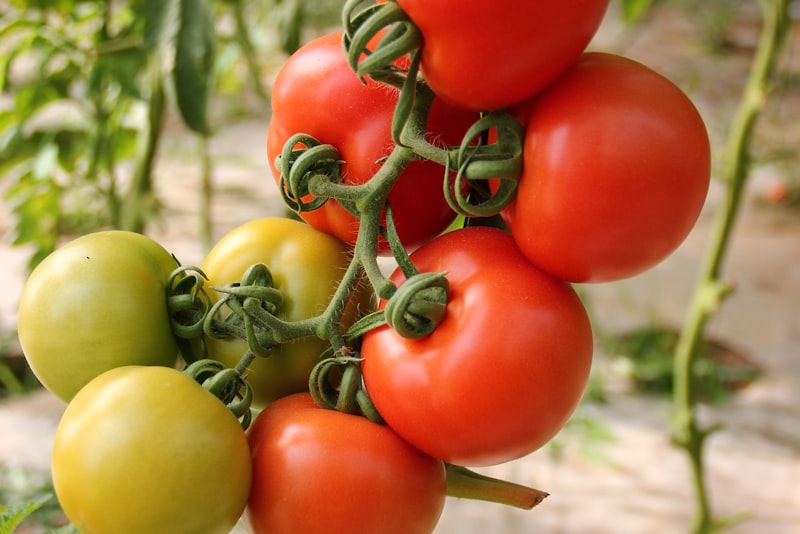
A single tomato plant is also worth growing just for the joy of it; it's the crop most people fall in love with. Pick two or three things from a list like this rather than one of everything. Fewer crops, grown well, will give you a happier season.
Plant at the right time for your place#
This is where I have to be honest about the limits of any garden article: I have no idea when you should plant, because I don't know where you live. Timing is the thing that varies most, and getting it roughly right matters more than almost any technique.
A tomato seedling that's perfect in one region will get flattened by a late frost a few hundred miles north. Cool-season greens that thrive in early spring in one zone will bolt and turn bitter in the heat somewhere warmer. So please, before you plant:
- Look up your average last and first frost dates
- Check the planting guidance for your region or hardiness zone
- Reach out to your local cooperative extension service or a nearby garden center; they know your conditions better than any website can
The seed packet itself is a quiet little instruction manual, too. It'll tell you how deep to sow, how far apart, and roughly how long until harvest. Read the back. It's written by people who want you to succeed.
Keep showing up#
Once it's planted, gardening becomes a gentle daily habit rather than a big event. Water when the soil an inch down feels dry, rather than on a rigid schedule, deep and less often is usually better than a light daily sprinkle. Pull weeds while they're small. Wander out with your morning coffee and just look at things. Most problems are easy to catch early and a real headache once you've ignored them for two weeks.
And when you do harvest, only eat what you're certain you grew. Snip the lettuce you planted, not the volunteer greenery of unknown parentage that wandered in. Confidence in the kitchen starts with paying attention in the garden.
That first ugly garden of mine taught me everything that matters: sun, soil, small scale, and showing up. Get those right and the rest is just enjoyable practice. Plant a little, learn a lot, and let this season be the start of something. You've got this, go get your hands dirty.