You're standing in front of a bare patch of ground — a blank backyard, a strip of dirt, maybe just a few empty pots on a balcony — and you want it to become a garden. And somewhere between the excitement and the not-knowing-where-to-start, a wave of overwhelm hits. Trust me, I've been exactly there.
So let's take a breath. A garden doesn't appear overnight, and it doesn't need to. It's built one small, sensible step at a time, and starting from scratch is honestly one of the most exciting positions a gardener can be in. You have a clean canvas. Let me walk you through turning it into something growing and alive — without the overwhelm.
First, Just Watch#
Before you buy a single plant or turn a single shovelful, do the most underrated thing in all of gardening: watch your space. It costs nothing and saves you from the most common beginner heartbreaks.
The thing you most need to understand is light. Plants are powered by the sun, and different plants want wildly different amounts of it. So spend a few days noticing how light moves across your space. Which areas bake in full sun for most of the day? Which sit in shade? Where does the morning light fall versus the harsh afternoon?
As a rough guide, a spot that gets six or more hours of direct sun counts as "full sun" — that's where most vegetables and many flowers thrive. Less than that, and you'll want plants that tolerate partial shade. There's a perfect plant for nearly every light level, but only if you know what you're working with first.
Get to Know Your Soil#
Next, meet your soil — it's the foundation everything grows in. You don't need a laboratory; your hands will tell you a lot.
Dig down a few inches and grab a handful. Is it gritty and loose, falling apart easily? That's sandy soil, which drains fast. Is it sticky and dense, holding together in a hard lump? That's clay, which holds water but can compact. Somewhere wonderfully crumbly in between is the loam we all dream of. Most soils aren't perfect, and that's completely fine — nearly any soil improves dramatically once you start adding compost and organic matter.
If you want hard numbers — the exact pH and nutrient levels — a simple soil test through your local cooperative extension office is inexpensive and genuinely useful. But to begin, just knowing your soil's basic character is plenty.
The biggest mistake new gardeners make isn't choosing the wrong plant — it's trying to do too much, too fast, and burning out before the first harvest. Start smaller than feels exciting.
Start Small — Really Small#
I cannot say this strongly enough, because I learned it the hard way. My first garden was wildly ambitious, and by midsummer it had become a weedy, demanding monster I dreaded going near.
A small garden you can actually keep up with will always outperform a big one that overwhelms you. One modest bed, or even a few large containers, is the perfect place to begin. You'll learn the rhythm of watering, weeding, and watching things grow on a scale that stays fun. Next year, once you've got the feel for it, you can expand with confidence. The garden will still be there waiting.
Starting small also means your inevitable mistakes stay small. And there will be mistakes — every single gardener kills plants, especially early on. That's not failure; that's the tuition you pay to become good at this. A small garden makes those lessons cheap and gentle.
Sketch a Simple Layout#
Once you know your light and soil and you've picked a modest size, spend a little time on a rough plan. Nothing fancy — a pencil sketch on the back of an envelope is perfect.
The most important practical rule is this: make sure you can reach every plant without stepping on the soil. Walking on garden beds compacts the soil and crushes the life within it. So keep beds narrow enough to tend from the edges, and leave clear paths to move and kneel comfortably.
A few simple things to sketch in:
- Put your sun-loving plants in the sunniest spots and shade-tolerant ones where light is weaker.
- Place taller plants where they won't cast unwanted shadow over shorter ones.
- Keep the garden somewhere you'll actually see it daily — out of sight really does mean out of mind.
- Make sure a water source is within easy reach, because hauling watering cans across the yard gets old fast.
Good paths and reachable beds are a gift you give your future self. Get this roughly right now and gardening stays comfortable for years.
Choose Easy, Forgiving First Plants#
Now the fun part: choosing what to grow. The single best thing you can do for your confidence is to start with plants that are hard to fail with. Early wins are rocket fuel for a new gardener.
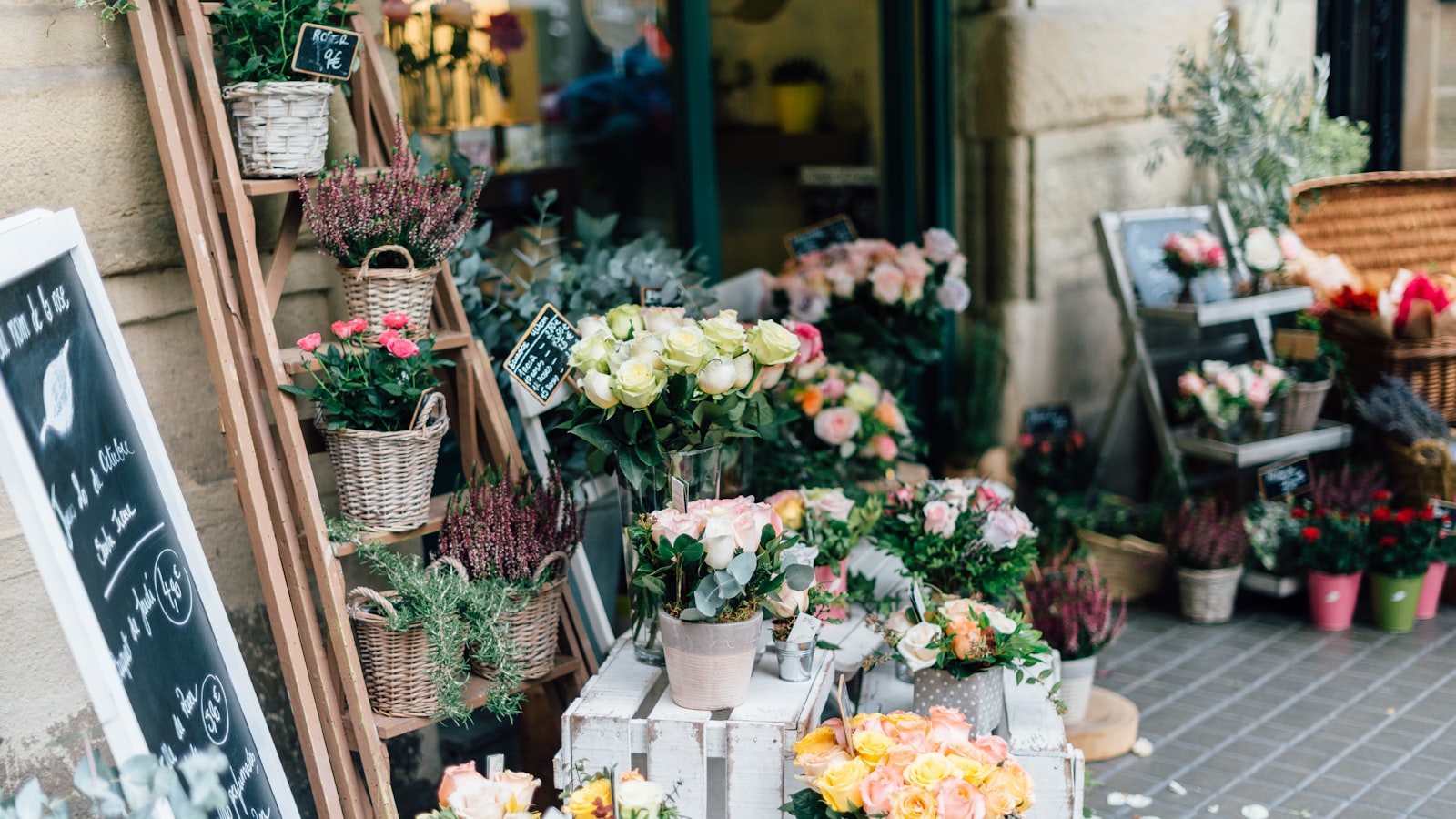
Many leafy greens like lettuce grow quickly and forgive plenty of beginner fumbles. Herbs such as mint, chives, and basil are generous and useful right outside your door. Among flowers, easygoing annuals like marigolds, sunflowers, and zinnias reward you with cheerful blooms for very little fuss. Whatever you choose, picking varieties suited to your climate and your light makes everything easier.
One gentle note on safety: a number of common garden plants can be toxic if eaten, which matters if you have curious children or pets roaming the garden. It's always worth a quick check on anything new you bring in, especially ornamentals, so you can plant with peace of mind.
Plant It, and Let It Teach You#
So here's your path, start to finish: watch your light, feel your soil, start small, sketch a simple reachable layout, and fill it with a few forgiving plants you're excited about. That's a real garden. That's all it takes to begin.
The rest you'll learn by doing — by watering and waiting and watching, by losing the occasional plant and shrugging it off, by noticing what thrives in your particular patch of earth. No article can teach you your own garden; only the garden can do that, season by season.
So don't wait for the perfect plan or the perfect weekend. Pick your spot, choose one easy plant, and get your hands in the dirt. The blank space in front of you is already, quietly, a garden waiting to happen. All it needs is for you to begin.